What the Indonesian Marine Coating Market Looks Like
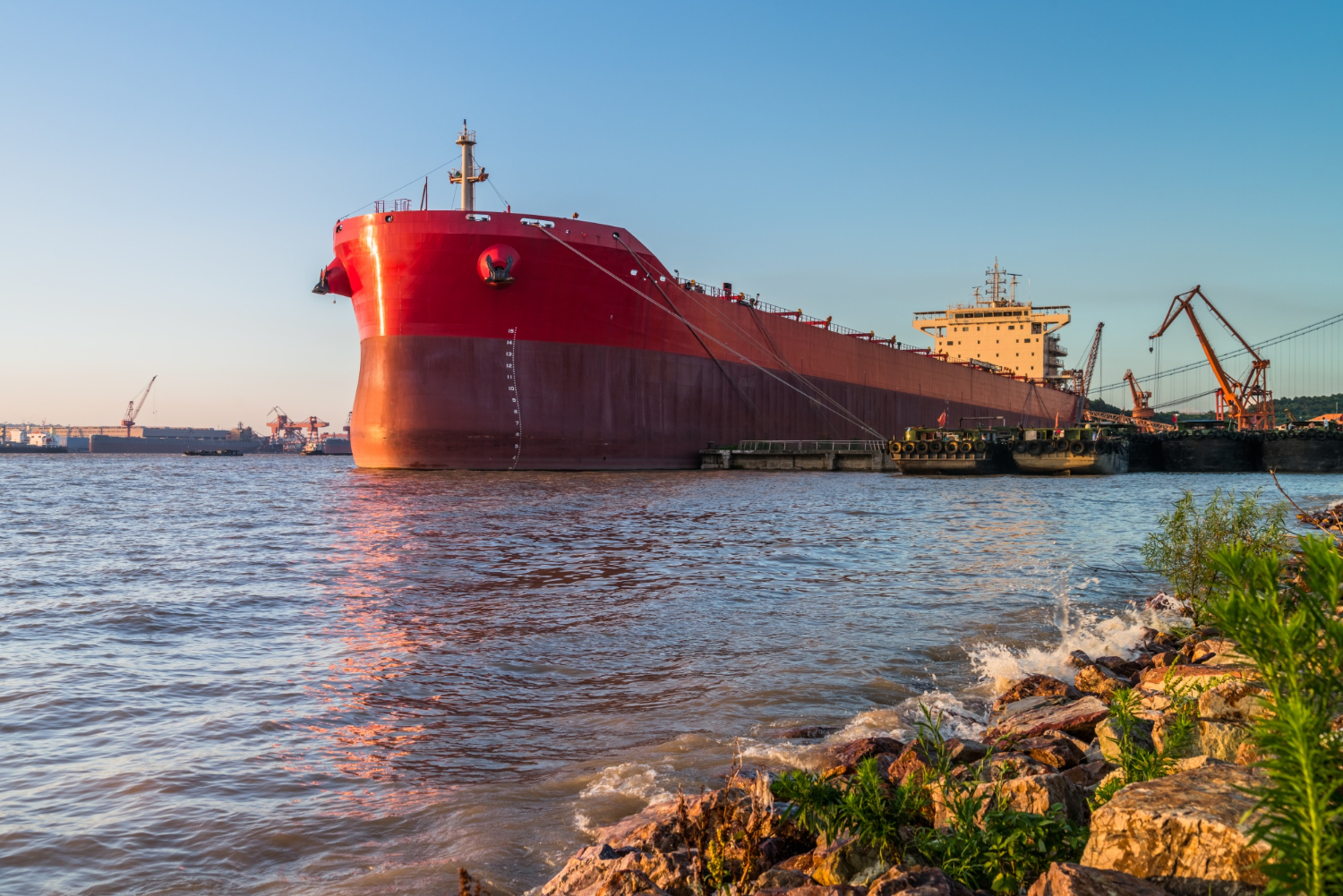
Indonesia’s maritime sector is enormous. The country operates more than 70,000 commercial vessels across its archipelago, from inter-island ferries to large tankers and bulk carriers serving international routes. The shipbuilding industry, concentrated in Batam, Surabaya, and parts of Kalimantan, produces hundreds of new hulls each year.
This scale means the market for marine coatings in Indonesia is correspondingly large and competitive. You will encounter several categories of supplier:
- International manufacturer direct offices: The major global coating manufacturers maintain their own sales offices in Jakarta and Surabaya. These offices serve the largest accounts directly, typically major shipping lines and government-owned operators with fleet-wide contracts.
- Authorised distributors and dealers: This is where most midsized fleets and individual vessel owners source their products. Authorised distributors carry stock, provide technical support, and maintain relationships with local applicators. The quality difference between a properly authorised dealer and a general trader is substantial.
- Independent traders and retailers: Many smaller suppliers sell marine coatings without any formal relationship to a manufacturer. They may offer competitive pricing, but the absence of manufacturer backing creates risk around product authenticity, batch traceability, and technical support.
- Shipyard-managed supply: Some larger shipyards maintain their own coating procurement and application operations, sourcing directly from manufacturers under volume agreements.
For international buyers, the authorised distributor channel is often the most practical route. It combines manufacturer-backed product quality with local market knowledge and inventory availability that direct manufacturer offices do not always provide for accounts below a certain volume threshold.
Why the Manufacturer Behind the Supplier Matters
A marine coating company is only as credible as the manufacturer whose products it represents. When you buy from a distributor, you are buying the manufacturer’s R&D, quality control, and warranty framework. This makes the manufacturer relationship the single most important factor to verify during supplier evaluation.
Key questions to ask any supplier you are considering:
- Can the supplier provide written, verifiable confirmation of active manufacturer authorisation?
- Does the manufacturer operate technical service teams that can visit your vessels or shipyard to supervise application?
- Is there a documented product traceability system from factory batch to delivered container?
- What is the manufacturer’s global reference list in your vessel category, covering similar operating conditions?
- Does the manufacturer maintain a local technical team in Indonesia for rapid response to coating failures or application problems?
These questions matter because marine coating is not a commodity. The chemistry preventing fouling in warm tropical waters differs from what works in cold northern seas. A supplier without manufacturer-level technical depth cannot help you navigate these specification decisions.
Understanding Marine Coating Systems: More Than Just Paint
The term marine coating systems refers to the complete layer-by-layer specification applied to a vessel, not a single product. Every system is a stack of distinct layers, each with a specific function. Understanding this helps procurement teams evaluate supplier recommendations critically.
A typical marine coating system includes these functional layers:
- Surface preparation standards: Before any coating is applied, the steel surface must be prepared to a defined standard such as Sa 2.5 near-white metal blast cleaning. The specification is meaningless without the surface preparation standard it assumes.
- Shop primer: Applied immediately after blasting to prevent rust formation during steel fabrication. Must be compatible with the full coating system that follows.
- Anti-corrosive primer: The workhorse layer, usually epoxy-based, providing barrier protection against oxygen and moisture. Performance is measured in years of corrosion-free service.
- Intermediate or tie coat: Ensures inter-coat adhesion between primer and topcoat. Skipping this layer is a common cost-cutting measure that leads to delamination failures within the first docking cycle.
- Topcoat: Provides UV resistance for above-water areas and chemical resistance for tank linings. For underwater hull areas, this layer is often replaced by the antifouling system.
- Antifouling system: Prevents marine organisms from attaching to the underwater hull. Modern systems range from self-polishing copolymer (SPC) technologies to advanced silyl acrylate formulations delivering predictable multi-year performance.
A supplier that can explain why each layer is specified demonstrates the technical competence separating marine coating specialists from general paint sellers.
Evaluating Marine Coatings for Your Specific Operation
Different vessel types demand fundamentally different coating approaches. The formulation that works for a container ship on a fixed route may be entirely wrong for a passenger ferry with frequent port calls.
For deep-sea commercial vessels such as tankers, bulk carriers, and container ships, the priority is predictable performance over five-year docking cycles. The antifouling system must maintain effectiveness throughout the entire service interval: unscheduled drydocking costs can reach hundreds of thousands of dollars.
For passenger vessels including ferries and cruise ships, aesthetics and frequent-berth performance matter alongside fuel efficiency. Antifouling must work at low speeds and during extended port stays, conditions where some ocean-going formulations underperform.
For offshore support vessels operating in dynamic positioning mode, extended stationary periods in warm, biologically active waters create severe fouling pressure. Mechanical damage from cargo handling demands coatings with high abrasion resistance.
For traditional wooden vessels such as Indonesian phinisi schooners, coatings must accommodate wood’s dimensional movement while providing effective anti-fouling. Specification mistakes on wooden hulls lead to rapid coating failure, often within months.
A competent marine paint supplier in Indonesia will ask about your vessel type, operating profile, and drydocking schedule before recommending any product.
The Role of Technical Service in Coating Performance
Even the best marine coatings will fail if applied incorrectly. Application quality depends on three factors: the coating product itself, the competence of the applicator, and the supervision provided by a qualified coating inspector or manufacturer technical service representative.
When evaluating marine coating companies in Indonesia, assess the technical service capability they can deliver:
- Can the supplier provide a manufacturer-trained coating advisor to supervise application at your chosen shipyard?
- Does the technical service include environmental condition monitoring during application? Temperature, humidity, dew point, and steel temperature all affect coating curing and must be monitored continuously during application in tropical conditions.
- Is dry film thickness measurement and documentation included as standard, or is it an optional extra?
- Does the supplier maintain inspection records that you can retain as part of your vessel’s technical documentation for class society surveys?
In Indonesian shipyards, application conditions can be challenging. High humidity, sudden rain, and steel temperatures exceeding recommended limits are common. A supplier providing on-site technical service can identify these conditions before they cause coating failures, saving substantial rework costs.
Price Versus Total Cost: What Procurement Teams Need to Know
Procurement departments are measured on cost savings, and the pressure to select the lowest-priced coating system is real. However, marine coating economics are not determined by price per litre. The relevant metric is cost per square metre per year of service life.
Consider these factors that affect total coating cost:
- Volume solids content: A coating with higher volume solids delivers more dry film thickness per litre. A cheaper paint with low volume solids can cost more per square metre than a premium product with high volume solids.
- Recoating intervals: Faster recoating means less time in drydock. The labour and berth costs saved by a fast-curing coating system can exceed the entire paint material cost.
- Service life and docking interval extension: A coating system that reliably delivers five years versus one that requires touch-up at three years changes the whole-life cost calculation dramatically.
- Fuel efficiency: A premium self-polishing antifouling that maintains lower hull roughness delivers measurable fuel savings. A single-digit percentage improvement in fuel efficiency repays any coating premium many times over.
- Application loss factors: Experienced marine coating suppliers estimate realistic application losses for different methods and vessel geometries. A supplier quoting theoretical spreading rate without accounting for losses is setting up a budget overrun.
Request a total cost calculation accounting for these factors, not just a price per litre comparison. A competent marine paint supplier in Indonesia will provide this as part of their quotation.
Red Flags When Evaluating Marine Coating Suppliers
Over years of working with Indonesian marine coating companies, certain patterns reliably indicate a supplier that will create problems rather than solve them:
- Inability to name the specific product for your application: If the response is a vague “our marine grade epoxy” rather than a specific product code from a manufacturer’s catalogue, the supplier lacks technical depth.
- No manufacturer technical data sheets: Every legitimate marine coating has a manufacturer-issued Technical Data Sheet (TDS) and Material Safety Data Sheet (MSDS). If these cannot be provided before you place an order, walk away.
- No verifiable reference vessels: A credible supplier can name vessels they have supplied, preferably with contact details for the technical superintendent who managed the project.
- Pricing significantly below market: Unusually low pricing almost always means counterfeit product, near-expiry stock, or a watered-down specification. None serves your vessel.
- No inventory commitment: A supplier that “can order it when you confirm” is a trading company adding margin without adding value. Real marine coating suppliers carry inventory and can deliver from stock.
How to Structure Your Supplier Selection Process
For procurement teams evaluating marine coating companies in Indonesia, a structured approach reduces risk and produces better outcomes than ad-hoc price comparisons:
Step one: Define your technical requirements before approaching suppliers. Document your vessel type, operating route, water temperatures, speed profile, idle periods, drydocking interval target, and any specific challenges such as ice-class hulls or high-abrasion cargo handling.
Step two: Shortlist suppliers based on manufacturer authorisation. Verify authorisation directly with the manufacturer. A five-minute email to the manufacturer’s Indonesia office confirms whether a supplier is genuinely authorised.
Step three: Request a written coating specification, not just a quotation. The specification should name specific products for each layer, state required dry film thickness per coat, specify the surface preparation standard, and include recoating intervals.
Step four: Evaluate total cost including application costs, not just material costs. If the supplier cannot or will not provide this calculation, discount their quotation accordingly.
Step five: Visit the supplier’s warehouse. Confirm stock levels, storage conditions, and batch traceability to manufacturer production records.
Step six: Negotiate the technical service package. Agree in writing on supervisor days, inspection documentation, and what happens if coating defects are identified.
Why Location Matters: The Bali and Eastern Indonesia Advantage
Most international marine coating companies operating in Indonesia concentrate resources in Jakarta, Surabaya, and Batam. This leaves vessels operating in eastern Indonesia, including Bali, Lombok, the spice islands, and Papua, with limited access to technical support and inventory.
For vessels on routes that include these waters, working with a supplier based in Bali offers practical advantages:
- Physical proximity to major eastern Indonesian ports means faster delivery and lower logistics costs for vessels calling at Benoa, Lembar, or Labuan Bajo.
- Local technical service capability means a coating advisor can reach your vessel within hours rather than days, critical when application windows depend on weather.
- Understanding of local shipyard capabilities, including which yards in Bali and Lombok have the blasting equipment, dehumidification, and skilled applicators needed for quality coating work.
This is particularly relevant for the fleet of traditional and modern vessels serving Indonesia’s tourism and charter sector, where vessel appearance and reliability directly affect commercial performance.
Special Considerations for Wooden Vessel Coatings
Indonesia’s traditional wooden vessel fleet, including the iconic phinisi schooners, requires coating expertise that few marine coating companies possess. Wooden hulls present challenges that steel hulls do not:
Wood is dimensionally unstable, swelling when wet and shrinking when dry. A rigid coating will crack within the first seasonal cycle. The coating system for wood must be flexible enough to accommodate this movement while maintaining adhesion.
Wood is a food source for marine organisms. Teredo worms and other wood-boring organisms can destroy an unprotected hull. The coating system must provide both a physical barrier and anti-fouling protection.
Wood preparation differs fundamentally from steel preparation. You cannot abrasive blast a wooden hull. Surface preparation involves moisture content measurement, removal of degraded wood fibres, and priming within a narrow window of wood moisture conditions.
The Jotun Advantage in the Indonesian Market
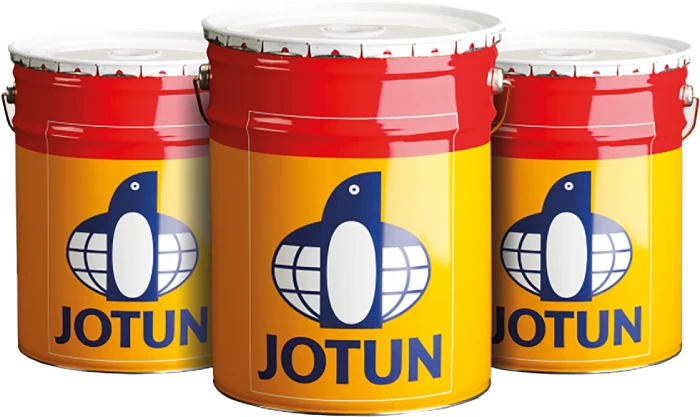
Jotun is one of the world’s leading manufacturers of marine coatings, with decades of investment in marine coating technology and a global technical service network that includes a strong presence in Indonesia.
For buyers evaluating marine coating companies in Indonesia, the Jotun product range offers several advantages:
- SeaQuantum X200: A silyl acrylate self-polishing antifouling providing predictable, linear polishing rates over service intervals of up to 60 months, with documented fuel savings through low hull roughness.
- Jotacare: A comprehensive hull performance programme combining coating specification, application supervision, and in-service monitoring, giving shipowners documented fuel efficiency data over the docking cycle.
- Penguard and Jotamastic: Epoxy anti-corrosion systems suitable for everything from ballast tanks to topside structures, with formulation variants optimised for surface-tolerant application in challenging shipyard conditions.
- Hardtop: Polyurethane topcoats providing gloss retention and colour stability for passenger vessels and superyachts operating under intense tropical UV exposure.
When you source Jotun products through an authorised dealer in Indonesia, you receive manufacturer-grade products with local inventory availability and access to Jotun’s technical service resources for application supervision.
Making Your Decision
The Indonesian market offers genuine choice among marine coating companies, but that choice requires careful evaluation. The lowest quoted price rarely produces the lowest total cost, and the supplier with the most impressive sales presentation does not necessarily have the technical depth to support a complex coating application.
Base your decision on verifiable factors: manufacturer authorisation you can confirm independently, technical service capability evidenced by qualified personnel and documented inspection processes, inventory you can visit and verify, and reference vessels you can contact. A marine coating system is a long-term investment in asset protection, fuel efficiency, and regulatory compliance. Choose your supplier accordingly.
Contact Elok Jaya Perkasa for your marine coating requirements in Indonesia. As a Jotun authorised dealer based in Bali, we provide manufacturer-backed marine coating systems with local inventory, technical service, and the expertise to specify the right coating for your vessel type, operating profile, and drydocking schedule.