Why Boats Rust Faster Than You Think (And How to Prevent It)
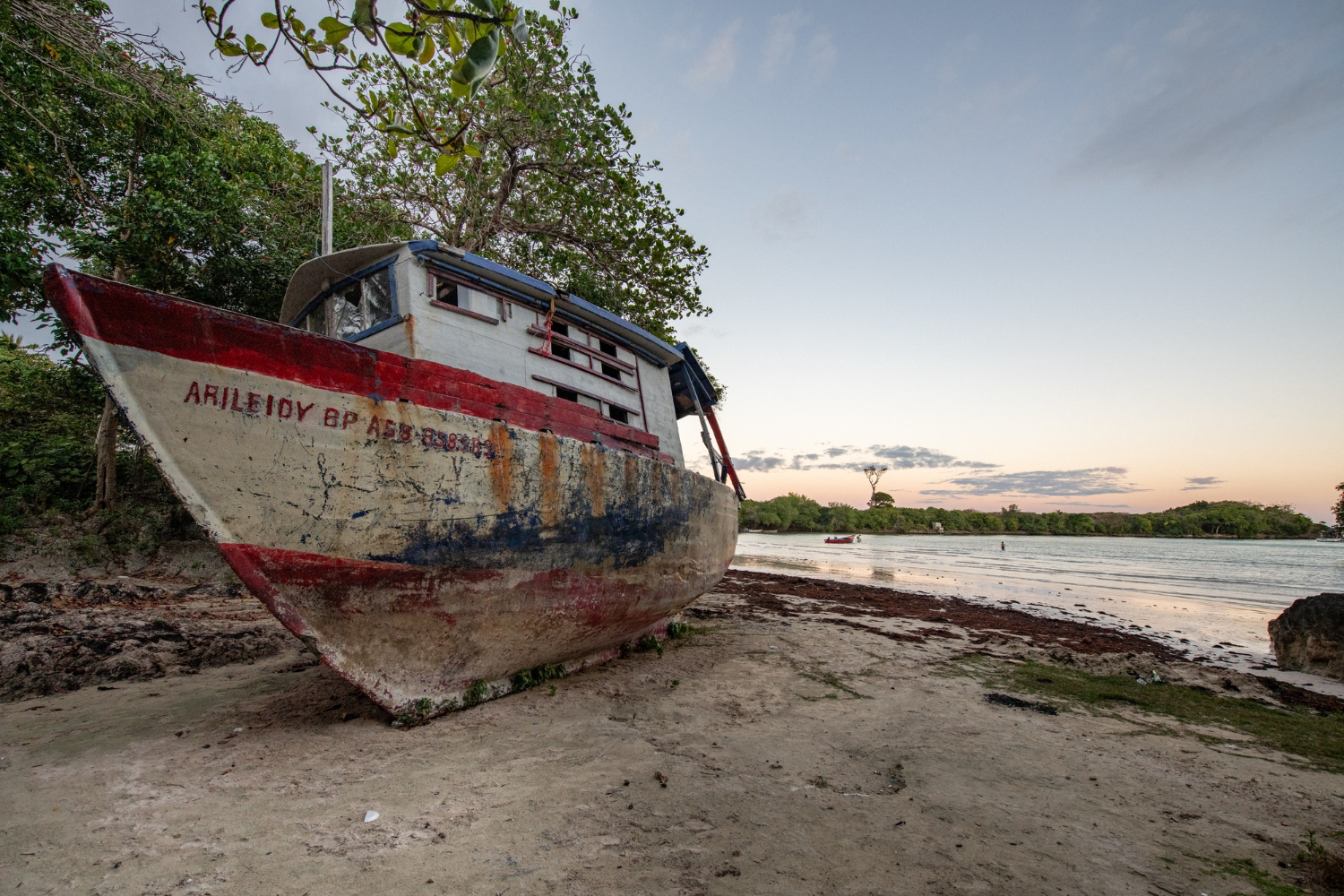
Boats operating in Bali and Nusa Tenggara face some of the harshest marine environments in Indonesia. Whether it’s a traditional phinisi, a fast boat serving island routes, a fishing vessel, or a commercial boat, every vessel is constantly exposed to conditions that accelerate corrosion and shorten the lifespan of its protective coating.
Many boat owners assume that rust is simply part of owning a vessel. In reality, excessive corrosion often results from environmental factors combined with an unsuitable coating system or poor maintenance practices.
Understanding why boats rust faster in this region is the first step toward protecting your investment and reducing long-term maintenance costs.
The Marine Environment is More Aggressive Than You Think
Bali and Nusa Tenggara are surrounded by warm tropical waters with high salinity levels throughout the year. Saltwater is one of the biggest causes of corrosion because it acts as an electrolyte, allowing metal surfaces to oxidize much faster than they would in dry environments.
Unlike vessels operating mainly in freshwater, boats in coastal and offshore areas are continuously exposed to salt spray, high humidity, strong UV radiation, heavy rainfall, and constant temperature changes.
Even vessels docked at marinas or shipyards remain exposed to salt particles carried by the sea breeze. These microscopic salt deposits settle on metal surfaces every day. When combined with moisture in the air, they create the perfect conditions for corrosion to begin.
Those are why boats moored for long periods often develop rust despite limited sailing activity.
Tropical UV Accelerates Coating Degradation
The tropical climate of Bali and Nusa Tenggara brings intense sunlight almost every day. Ultraviolet (UV) radiation gradually breaks down paint binders, causing coatings to fade, lose gloss, become brittle, crack, and peel away.
Once the protective layer is compromised, moisture and oxygen can reach the steel beneath, allowing corrosion to spread quickly.
Using UV-resistant marine topcoats is essential for vessels operating in tropical climates.
Different Parts of the Boat Face Different Challenges
Not every section of a vessel experiences the same environmental conditions. For example:
- Hull below the waterline requires anti-fouling coatings to prevent marine growth and reduce corrosion.
- Deck areas are exposed to heavy foot traffic, UV radiation, and rainwater.
- Steel structures need high-performance protective coatings to withstand salt exposure.
- Ballast tanks require specialized coating systems designed for constant immersion.
Choosing a single coating product for the entire vessel is rarely the best solution. A complete coating system is designed to provide different levels of protection for each area.
Poor Surface Preparation Can Reduce Coating Performance
Even the highest-quality marine coating cannot perform properly if applied over contaminated or poorly prepared surfaces. Common mistakes include:
- Painting over existing rust
- Inadequate surface cleaning
- Incorrect blasting standards
- Applying coatings under unsuitable weather conditions
- Ignoring recommended drying times
The most effective way to protect boats operating in Bali and Nusa Tenggara is not simply applying more paint. It is selecting the correct marine coating system for the vessel’s operating environment.
A complete system typically includes:
- Anti-corrosive primer & epoxy coating. For maintenance and repair projects, Jotamastic 87 and Jotamastic 90 are widely recognized for its excellent surface tolerance and durability, making it ideal for vessels that cannot always undergo perfect abrasive blasting.
- UV-resistant topcoat. For superior colour retention and UV resistance, Hardtop XP II is an excellent polyurethane finish designed to withstand harsh tropical weather while maintaining gloss and appearance for many years.
- Anti-fouling coating below the waterline. Jotun SeaForce is specifically engineered to minimize fouling while improving vessel performance and reducing maintenance frequency.
When combined with regular inspections and proper maintenance, this system can significantly extend the service life of both the coating and the vessel itself.
Work with a Trusted Marine Coating Partner
Every vessel has different operational requirements, making professional coating recommendations essential. Factors such as vessel type, sailing routes, operating hours, and maintenance schedules all influence the most suitable coating system.
As an Authorized Jotun Distributor in Bali, Elok Jaya Perkasa provides genuine Jotun marine coating products supported by technical consultation to help ship owners, shipyards, and marine operators choose the right coating solution for every project.
Whether you’re maintaining a traditional phinisi, a fast boat, or a commercial vessel, investing in the right coating system today can help reduce maintenance costs, minimize downtime, and keep your vessel protected for years to come.